How Has ABA Therapy Changed Over the Years?
If you have been researching ABA therapy, you have probably found two very different stories. Some parents say it changed their child's life. Others, including some autistic adults who received ABA as children, describe it as rigid and harmful. When you are trying to make the right choice for your child, that can be confusing and a little scary.
At Creating Brighter Futures, we think parents deserve a straight answer: what ABA is, why it earned a bad reputation, and what it looks like in a modern program like ours.
What Is ABA Therapy?
ABA stands for applied behavior analysis. At its core, it is a way of teaching. We take a skill your child is working on, break it into the smallest possible steps, and teach those steps one at a time. We model what we are teaching and celebrate even the tiniest step forward.
ABA really has two parts. The first is teaching new skills, such as communicating wants and needs, playing with other kids, getting dressed, or tolerating a toothbrush. The second is understanding challenging behaviors. When a child has frequent tantrums or aggression, we look for why it is happening and teach a better way to meet that same need. The goal is never just to stop a behavior. And because every child is different, there is no one-size-fits-all curriculum.
.png)
Why Does ABA Have a Bad Reputation?
Some of the criticism is rooted in real history. Early ABA programs, decades ago, were often extremely rigid, with long hours of drills at a table and a heavy focus on compliance. Some early research even used punishment that would be unacceptable today. Critics have also pointed to programs that tried to make children look less autistic by stopping harmless habits like hand flapping or forcing eye contact.
Our clinical director, Jessica Irish, puts it plainly. Concerns about taking away a child's autonomy were probably true for old-style ABA, which was so structured that there was no room to let a kid be a kid. Those concerns deserve to be taken seriously, and they are a big reason the field has changed.
.png)
What Modern ABA Looks Like
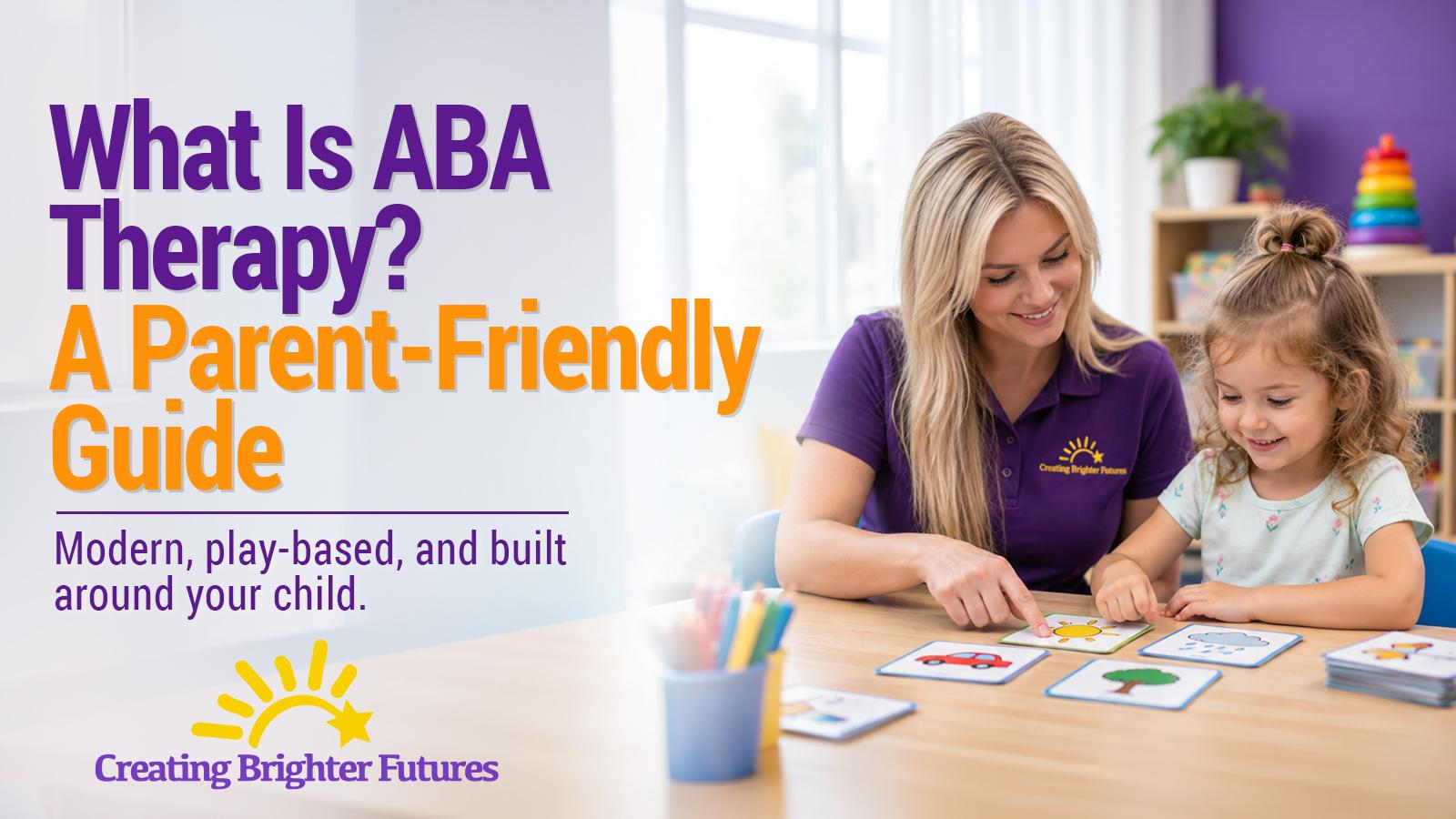
Today's best ABA programs look very different. Research on naturalistic, play-based approaches has shown that children can learn in everyday settings, with the child and therapist sharing control of the activity. The certification board for behavior analysts also requires them to treat clients with compassion, dignity, and respect under its Ethics Code for Behavior Analysts. At our center, that means:
- Following your child's lead and building learning into play they already enjoy
- Teaching communication first, so your child can express needs and make choices
- Leaving harmless stimming alone unless it gets in the way of learning, friendships, or family life
- Choosing goals with your family, based on what will improve your child's daily life
- Making sure your child is still having fun and their personality still shines
Isn't Using Rewards Just Bribery?
It is a fair question. But nearly all of us are motivated by something. Adults go to work for a paycheck, and kids finish homework partly for a teacher's praise. Many children with autism don't find praise very rewarding at first, so we pair it with something they love, like a favorite toy. Over time, the praise itself becomes motivating, which helps your child learn in a classroom where praise is the main reward. It is not bribery. It is meeting your child where they are.
.png)
Questions to Ask Any ABA Provider
- How do you handle stimming?
- Are sessions play-based, and who chooses the activities?
- How are goals chosen, and how much say does my family have?
- How will I know my child had a good day?
A good provider will welcome these questions. Read our Parents' Guide to ABA Therapy for more, or Schedule a Tour & Consult to see our approach in person in Ann Arbor at no cost.
Frequently Asked Questions
-
Does ABA try to make my child stop being autistic?
Not in a modern program. Our goal is to build skills that make daily life easier and more enjoyable for your child, not to change who they are.
-
Will ABA therapy cure my child's autism?
No. Autism is lifelong. ABA can help your child build communication, social, and coping skills that make each stage of life easier to navigate.
-
Is ABA only for children with challenging behaviors?
No. Many children come to us to work on communication, friendships, potty training, or daily routines, with no major behavior concerns at all.
-
How will I know what happens during my child's sessions?
Families get daily reports, a chance to talk with the therapist at pickup, and regular parent training sessions, so you stay involved in every step of your child's progress.